Don't Buy Until You Read This: Garmin Index Sleep Monitor vs Honor Magic Pad 3
Introduction
Sleep technology has matured quickly: from wrist-worn trackers to contactless mattress sensors, the market offers multiple ways to quantify rest. Two devices that often enter conversations are the Garmin Index Sleep Monitor and the Honor Magic Pad 3. One approach favors integration with a broad sports and health ecosystem; the other emphasizes minimally invasive, in-bed sensing and automatic, continuous monitoring. For buyers deciding which direction to go, the differences go beyond raw numbers — placement, user habits, household composition, and expectations about data all matter.
This article compares both products across practical dimensions that buyers care about: real-world accuracy, comfort and setup, software and insights, privacy, multi-user handling, and ongoing costs. The goal is to provide an evidence-based, buyer-focused analysis so interested readers know which device is more likely to solve their sleep questions in everyday life.
Product analysis: how they work and what to expect
Garmin Index Sleep Monitor — ecosystem-first sleep tracking
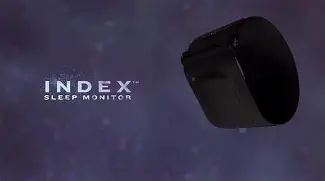
The Garmin Index Sleep Monitor positions itself as part of Garmin’s larger health and fitness ecosystem. In practice, devices from Garmin commonly collect sleep metrics either through wearables (wrist-based) or through dedicated sensors that integrate with Garmin Connect. Users who already wear a Garmin watch for activity tracking can expect sleep data to be tied into the same app, giving continuity between daytime activity, recovery metrics, and long-term trends.
Real-world use cases for a Garmin-centric approach:
- Athletes or active people who want sleep to be analyzed alongside training load, HRV, and recovery recommendations.
- Users who are already invested in Garmin Connect and prefer having workouts, body metrics, and sleep in one dashboard.
- Shift workers or people with irregular schedules who need manual or automatic tagging of sleep windows and naps.
Strengths often associated with Garmin sleep solutions include deep integration with activity data, reliable firmware updates, and an established app that many users find stable for long-term trend analysis. The trade-offs typically relate to whether a user is comfortable wearing a device to bed and whether they prefer the granularity Garmin provides versus a less intrusive measurement method.
Honor Magic Pad 3 — contactless, in-bed sensing
The Honor Magic Pad 3 represents the under-mattress/contactless sensor approach. It is designed to sit under the mattress or bed linen, detecting micro-movements, heart rate changes, and breathing patterns without direct skin contact. For households where comfort and non-wearability are priorities, under-mattress pads can feel seamless: once installed they operate without nightly setup and don’t require the user to remember to put anything on.
Real-world use cases for an under-mattress pad like the Magic Pad 3:
- Couples and families who dislike wrist-worn devices for sleep but still want continuous monitoring.
- Users with mobility or skin-sensitivity issues where wearing a device is impractical.
- People prioritizing sleep-disorder screening indicators (e.g., snoring detection, breathing irregularities) that can sometimes be captured with bed-based sensors.
Contactless pads trade wearability for potential sensitivity to mattress type, placement, and pets. They often excel at passive monitoring but may vary in performance on very thick or spring-heavy mattresses. Integration with manufacturer apps and cloud analytics determines how useful the raw data becomes for end users.
Pros & cons
Garmin Index Sleep Monitor — pros
- Integrated ecosystem: Sleep data flows into Garmin Connect with training and recovery metrics, which helps athletes and active users make decisions based on combined data.
- Robust software updates: Garmin’s platform typically receives regular firmware and app improvements.
- Detailed metrics: When paired with compatible Garmin wearables, it can provide heart rate, HRV-derived recovery indicators, and clearly defined sleep stages.
- Long-term trend analysis: Garmin Connect is designed for historical analysis across months and years.
Garmin Index Sleep Monitor — cons
- Wearability requirement (if using a watch): Some users find wrist devices uncomfortable or forget to charge them.
- Potentially redundant for non-athletes: Casual users might find the ecosystem overkill if they only want basic sleep summaries.
- Learning curve: For non-technical users, Garmin’s array of metrics and settings can be overwhelming.
Honor Magic Pad 3 — pros
- Non-intrusive monitoring: No device on the wrist — monitoring happens automatically while in bed.
- Good for couples and discreet tracking: Can monitor multiple people with appropriate setup and algorithms designed for multi-user households.
- Automatic nightly operation: Minimal fuss after initial placement.
- Potential for breathing and snore detection: Under-mattress sensors can capture respiratory signals that wrist wearables miss.
Honor Magic Pad 3 — cons
- Placement sensitivity: Performance can vary with mattress type, thickness, and presence of pets or children in bed.
- App and ecosystem maturity: Manufacturer app functionality and integration into broader health platforms may be more limited compared with large ecosystems.
- Privacy concerns: As with any networked device, users should evaluate how data is stored and whether cloud analysis is required for full features.
Comparison table
| Feature | Garmin Index Sleep Monitor | Honor Magic Pad 3 |
|---|---|---|
| Sensor type / placement | Typically wrist-based when paired with a Garmin watch or integrated through a supporting sensor; requires wearing or compatible hardware | Under-mattress contactless pad; sits beneath sheets and mattress layers |
| Best for | Users already in the Garmin ecosystem; athletes and people tracking recovery | Users wanting passive, non-wear monitoring; couples and those sensitive to wrist devices |
| Comfort impact | May be noticeable if wearing a watch to sleep | Minimal after initial placement |
| Data integration | Deeply integrated with Garmin Connect and compatible third-party platforms | Relies on Honor’s app; third-party integrations vary by market and firmware |
| Multi-user support | Supports multiple profiles via ecosystem but each person usually needs a wearable | Designed to handle multiple sleepers with algorithmic separation (varies by mattress and configuration) |
| Setup complexity | Moderate — pairing a wearable and configuring sleep settings | Low to moderate — placement under mattress and app pairing |
| Privacy & storage | Data stored in Garmin Connect; subject to Garmin’s privacy policies | Data stored via Honor’s platform; cloud usage and retention policies should be reviewed before purchase |
| Typical maintenance | Charge wearable regularly; update firmware | Minimal power needs; periodic firmware and app updates |
Practical considerations and real-world scenarios
Choosing between these technologies depends heavily on the household and lifestyle. Here are some common buyer types and how each device stacks up.
Shop the latest Electronics picks on Amazon.
See Deals →Athlete or highly active user
An athlete benefits when sleep metrics are directly correlated with training load and recovery. Garmin’s ecosystem ties sleep stages to heart rate variation and training effect, enabling actionable recommendations. In a real-world sense, a runner or cyclist can see how late-night workouts affect deep sleep and morning HRV, and then adjust intensity. For this user, the convenience of a single app tracking everything is valuable.
Someone who dislikes wearables
For people who remove wrist devices for comfort, hygiene, or skin sensitivity, the Magic Pad 3's passivity is attractive. The pad requires no nightly action and is invisible in use. A practical concern though is mattress compatibility: very thick hybrids or adjustable beds sometimes dampen signals. Buyers should check return policies and test on their specific bed.
Couples sharing a bed
Couples can present a challenge. Wrist-worn devices are individual, so they work naturally for multi-user households. Under-mattress pads claim to separate signals algorithmically, but success varies. In homes where one partner is a restless sleeper or pets frequently enter the bed, an under-mattress pad might misattribute activity. For reliable per-person metrics, wearables still have an edge.
People tracking breathing or snoring concerns
Under-mattress sensors often detect respiratory patterns and can flag irregularities that wrist-based devices miss. For someone monitoring snoring or possible sleep apnea signs before seeing a clinician, a bed sensor can provide useful nightly trends. However, neither consumer device replaces medical diagnostics; data should be used to inform conversations with healthcare providers, not substitute them.
Buying guide: how to choose
When deciding, consider the following factors in order of likely impact:
1. Where do you prefer to sense sleep?
If wearing something to bed is acceptable and the user already uses a Garmin watch, staying inside that ecosystem reduces friction and yields richer combined metrics. If the priority is not wearing anything, the under-mattress route is preferable.
2. What are the primary questions to answer?
- If the goal is athletic recovery and linking sleep to workouts, prioritize a device that integrates with training data.
- If the goal is passive monitoring, snore/breathing detection, or easy multi-night collection without behavior change, prioritize a pad.
3. Mattress type and bedroom environment
Under-mattress pads are sensitive to mattress construction. Buyers with thick memory foam, an airbed, or adjustable bases should verify compatibility. For wrist-based solutions, ensure the wearer can sleep comfortably with a band and has a charging routine that fits their schedule.
4. Multi-user and partner separation
Decide whether per-person accuracy is crucial. If so, wearables are the most consistent option. If aggregated household trends suffice, a pad can be an easier solution.
Find top-rated Electronics products at great prices.
Browse Now →5. App ecosystem and long-term data
Consider where data will live and how it will be presented. Garmin Connect is mature and connects to many third-party services. Honor’s platform might be more focused on sleep-specific visuals and AI insights. Buyers should look at sample dashboards or trial versions where possible to ensure the insights are presented in a useful way.
6. Privacy and cloud processing
Review privacy policies before purchase. Some advanced analytics require cloud uploads and server-side processing. If local-only storage is preferred, confirm whether the vendor offers offline modes or explicit controls for data retention and sharing.
7. Budget and value over time
Initial cost is only part of the equation. Some manufacturers reserve advanced features behind subscriptions or extra hardware. Confirm what comes in the box, what features are free, and whether firmware updates that improve functionality are regularly provided at no cost.
8. Trial and return policies
Because sleep sensing performance depends on personal and environmental factors, choose a vendor or retailer with a liberal return window. That real-world testing period — sleeping with the device for several nights in the actual bedroom — is the most honest way to evaluate whether it meets expectations.
Setup and daily use tips
Make any purchase more successful by following practical tips:
- Run several nights of baseline data collection before judging accuracy. Night-to-night variability is normal.
- For pads, test placement under different parts of the mattress — head, chest, or center — to see where signals are strongest.
- For wearables, ensure firmware is up to date and that the device fits snugly but comfortably on the wrist for the most accurate heart-rate sensing.
- Don’t treat consumer sleep scores as clinical diagnoses; use them for trends and lifestyle changes, and consult professionals for suspected disorders.
- Keep apps and phone permissions minimal and review what data is uploaded to cloud services.
Conclusion
Both the Garmin Index Sleep Monitor approach and the Honor Magic Pad 3 reflect valid, modern strategies for understanding sleep. The right choice depends on how a buyer balances accuracy needs, comfort preferences, household composition, and ecosystem priorities. For an athlete or someone already invested in Garmin Connect, a Garmin-centric solution likely offers the most actionable integrated insights. For someone who values seamless, non-wearable monitoring and minimal nightly effort, the Honor Magic Pad 3’s contactless design will be appealing — provided mattress compatibility is confirmed.
Ultimately, the best device is the one that fits into daily life so monitoring becomes a habit rather than a chore. Buyers should prioritize trialability, data privacy, and how the device’s outputs will actually change behavior. With careful matching of device strengths to personal needs, either solution can meaningfully improve awareness about sleep and support better rest over time.
