Razer Kiyo V2 Review: Real User Experience After 3 Months
Introduction
I've been using the Razer Kiyo V2 as my daily webcam for the past three months. I bought it primarily for streaming and weekly work video calls, and I wanted something that could simplify my lighting setup while still delivering clean, consistent image quality. After swapping it in for my previous webcam and testing it across a variety of scenarios — daylight, late-night streaming, green-screen setups, and quick mobile-style desk checks — here's my honest, hands-on take.
Why I chose the Kiyo V2
Before buying, I was juggling a separate webcam and desktop ring light. That worked, but it added clutter and setup time. The Kiyo V2 marketed itself as a webcam with an integrated adjustable light, promising better low-light results without extra accessories. I liked the idea of cleaning up my desk and having one device handle both capture and lighting. I also wanted something that could produce smooth motion at higher frame rates for streaming and one-to-one video where movement feels natural.
Design and build quality
Out of the box, the Kiyo V2 felt solidly built and intentionally designed for a desktop environment. The body is mostly plastic but it has a reassuring weight to it; not cheap-feeling. The ring light surrounding the lens is integrated cleanly and doesn't look like an afterthought. The adjustable mount clamps to monitors securely and also accepts standard tripod threads, which I appreciated because I sometimes move the camera between my monitor and a small desktop tripod.
One small gripe: the hinge can be a little stiff at first. I had to adjust it a couple of times to find the sweet spot and over time it loosened in a way that makes micro-adjustments a bit finicky. It's not a dealbreaker, but if you frequently tilt the camera during streams you'll notice it.
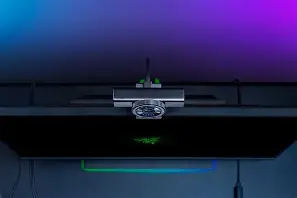
Image quality — real-world performance
After three months, here's what I observed about the image quality when using the Kiyo V2.
Daylight and well-lit rooms
In daylight or when my room lights were on, the Kiyo V2 produced crisp, pleasing images with accurate color tones. Skin tones looked natural to my eye — not overly processed or desaturated. I tested the camera at 1080p and at higher frame settings for motion, and the detail at 1080p felt comfortably sharp for streaming and Zoom calls.
Low-light and evening streams
This is where the built-in light pays off. On late-night streams, flipping on the ring light made an immediate difference: it reduced harsh shadows across my face and kept the exposure stable without forcing the camera to crank up ISO and introduce noticeable grain. The ring light doesn't fully replace a softbox or a good three-point lighting setup, but for most streamers and remote workers it's a huge convenience.
Autofocus and exposure
I noticed the autofocus is generally reliable — it locks quickly on my face and stays consistent during small movements. When I move quickly toward the camera or stand up, it can hunt a little before settling, but that's typical behavior for consumer webcams and not unique to this one. Exposure adjustments were sensible; the camera avoids overreacting to small changes in background brightness, which I appreciated when someone walked behind me on a call and my windows briefly changed the scene luminosity.
Find top-rated Laptops & Computers products at great prices.
Shop Amazon →Field of view and framing
The field of view is wide enough for a single-person shot with a bit of desk visible. I liked that I could show off a little of my background without feeling like the lens was warping the edges. If you're looking to frame a full whiteboard or a group of people, you might want something wider. For one-person streaming, meetings, and tutorial videos it's a good sweet spot.
Lighting controls and software
The Kiyo V2's integrated light is what sold me. In my experience:
- Brightness is adjustable across several levels; I tended to use mid-to-high settings for evening use and lower settings for daytime so the light didn't wash out the scene.
- The light is directional enough that, combined with a modest diffuser, it gives a soft look rather than a hard ring-shadow on my face.
- I used Razer's software to fine-tune white balance, brightness, and exposure. The software works, but it's not perfect — some settings are spread across different tabs, and the interface could be more intuitive. Once I found my preferred presets, though, I had no reason to tweak them frequently.
In short: the hardware does most of the heavy lifting; the software lets you refine settings. I wish the software UX was a little smoother, but it gets the job done.
Audio — built-in mic experience
I relied on a separate USB condenser mic for most of my recording work, so I wasn't expecting studio-grade audio from the webcam. That said, I did test the Kiyo V2's built-in microphone for quick calls and standby sessions. It's perfectly fine for casual meetings and backups: voices are clear and intelligible. However, compared to even modest external USB mics, it lacks low-end warmth and room noise rejection. If you care at all about audio quality, plan to use an external microphone.
Streaming and content creation
When streaming, the Kiyo V2 integrates well with OBS and other streaming software. I set the camera to a higher frame rate during gameplay streams where motion fidelity mattered, and the stream looked smooth to viewers. Color balance on the stream held up nicely across different games and backgrounds — I only made small tweaks in post-capture. The built-in light saved me time: no constant repositioning of a separate LED panel to avoid reflections on my glasses.
Durability and reliability after 3 months
Three months in, I haven't experienced freezes, disconnects, or major software crashes. The firmware updates that rolled out during my usage period were straightforward to apply through the Razer software. The plastic finish shows light fingerprints if you touch the ring, but they wipe clean. The only ongoing minor annoyance is the mount stiffness I mentioned earlier — it will likely remain a minor niggle for me when I reposition frequently.
Pros & Cons
- Pros:
- Integrated adjustable ring light that meaningfully improves low-light performance
- Clean, natural color reproduction in most lighting conditions
- Solid build and flexible mounting options (monitor clamp + tripod thread)
- Reliable autofocus for everyday use and streaming
- Works well with OBS and common streaming software
- Cons:
- Software is functional but not particularly polished
- Mount hinge can feel stiff and requires fiddling to get ideal tilt
- Built-in mic is serviceable but not a replacement for a good external mic
- Ring light is helpful but won't match the softness and control of a full lighting kit
Quick comparison with similar webcams
| Model | Typical Resolution/Frame Rate | Integrated Light | Software Ecosystem | My Take |
|---|---|---|---|---|
| Razer Kiyo V2 | 1080p / 60fps (my testing) | Yes — adjustable ring light | Razer software; basic but effective | Best all-in-one for desk-clutter reduction and improved low-light streams |
| Logitech StreamCam | 1080p / 60fps | No | Logitech Capture — robust and polished | Strong image and software, but you’ll need separate lighting |
| Elgato Facecam | 1080p / 60fps | No | Elgato Camera Hub — good for pro adjustments | Excellent image control and sharpness; lighting is separate |
Who should buy the Kiyo V2?
In my experience, the Kiyo V2 makes the most sense for the following people:
Discover deals on Laptops & Computers — updated daily.
See Deals →- Streamers who want to reduce desk clutter and avoid a separate ring light.
- Remote workers who regularly have evening calls and need consistent face lighting without fuss.
- Content creators who prioritize convenience and good-enough audio/video without building a full studio.
Conversely, if you already own professional lighting or insist on the absolute best microphone quality from a single peripheral, you might prefer a camera with a different feature set and pair it with dedicated audio and lighting gear.
Buying guide — what to consider before you buy
After using the Kiyo V2 for months, here's a practical checklist I used and recommend you consider when hunting for a webcam.
- Lighting needs: Do you stream or call mostly during the day, or do you need help with low-light evenings? The Kiyo V2's integrated light is a major convenience if you often work at night.
- Audio setup: If you care about voice quality, plan to pair any webcam with a separate microphone. The Kiyo V2's mic is fine for backups and casual chats, not for podcast-level audio.
- Mounting and placement: Check whether you want a clamp that attaches to your monitor or a model you'd mount on a tripod. The Kiyo V2 supports both, which I found handy.
- Software control: Think about how much you want to tweak settings. If you like a polished, user-friendly app, evaluate software demos or reviews; Razer's app is capable but not the most streamlined.
- Field of view: Consider how much background you want visible. If you need a wider angle to show a whiteboard or co-host, look for wider FOV options.
- Frame rate and motion: If you move a lot on camera or stream fast-paced content, prioritize higher frame rates — they make motion look smoother.
- Budget and future upgrades: Are you planning to upgrade to dedicated lighting or audio later? If so, you might prioritize a camera with stronger baseline image quality and skip the integrated light.
Practical tips from my three months of use
- Set up a couple of presets in the software: one for daylight and one for evening streams. Saves time and reduces fiddling before going live.
- Use a small diffuser (even a thin piece of paper taped lightly) if you find the ring edge creates a slightly hard look on certain angles. That softened the light in my late-night streams.
- Pair with a modest external mic — even an inexpensive USB mic will drastically improve call quality compared to the built-in mic.
- If you wear glasses, try lowering the light brightness slightly or angling the camera to avoid ring reflections. The light is adjustable enough that you can usually find a comfortable compromise.
Final thoughts and conclusion
After three months with the Razer Kiyo V2, I feel like I made the right choice for my setup. What I found was a dependable webcam that simplifies evening streaming and casual content creation. The integrated ring light genuinely reduces setup time and produces a clean, natural look for face-facing shots. The image quality is solid, autofocus is adequate for typical use, and the mount options give me flexibility as I move the camera between monitor and tripod.
That said, it's not perfect. The software could be tidier, the hinge can be fussy, and the built-in mic won't replace a dedicated microphone. But these are compromises I was willing to make in exchange for convenience and cleaner desk ergonomics.
In my experience, if you're a streamer, remote worker, or creator who wants better low-light performance without adding another light to your desk, the Kiyo V2 is a very practical upgrade. If you already have pro lighting and an external mic, you might find an alternative that focuses solely on optical performance. For me, the balance of lighting, image quality, and reliability has been worth it — I've been using it every week since the purchase, and it's become part of my standard setup.