Should You Buy the Hl L2390Dw Hl L2395Dw in 2026? A Deep Dive
When I first cleared a space on my cluttered home office desk for the Brother HL-L2390DW back in late 2023, I wasn't looking for a piece of cutting-edge technology. I was looking for a workhorse. Like many of you, I had grown tired of the "inkjet trap"—those sleek, colorful machines that lure you in with a low price tag only to bleed you dry with subscription services and dried-out cartridges. Now, sitting here in 2026, the landscape of home office tech has shifted significantly. We have smarter, AI-integrated printers and faster wireless protocols, yet I find myself still relying on this monochrome laser series. After over two years of daily use, I wanted to share my honest experience with both the HL-L2390DW and its slightly more sophisticated sibling, the HL-L2395DW, to help you decide if these classic machines still deserve a spot in your setup today.
The First Impressions and Long-Term Setup
When I pulled the HL-L2390DW out of the box, I was struck by its sheer utilitarianism. It’s a gray, boxy rectangle that prioritizes function over form. I’ve never been a fan of glossy plastics that attract fingerprints, so the matte finish on these machines was a welcome choice. One of the first things I noticed during the initial setup was that Brother hasn't changed their driver architecture much over the years. In 2026, this is actually a blessing. While newer printers often force you to use a mobile app just to connect to Wi-Fi, I was able to get these running on my Windows 11 and macOS environments using legacy drivers that just work. I didn't have to create a "Brother Cloud Account" just to print a shipping label, which is a rare win for privacy and convenience these days.
The HL-L2395DW, which I eventually added to my secondary workspace, felt identical in build quality but featured a color touchscreen that replaced the 2390's basic 2-line LCD. At the time, I thought the screen was a bit of a gimmick, but after months of use, I found it made navigating Wi-Fi settings and checking toner levels significantly less frustrating. If you've ever tried to enter a complex Wi-Fi password using a two-line display and plus/minus buttons, you'll know exactly what I mean.
Performance: Is Black and White Enough?
In mid-2026, most of our documents are digital. However, for those of us who still need physical copies—contracts, academic papers, or craft patterns—the speed of these machines remains impressive. I timed the first-page-out at roughly 7 seconds. When I’m in a rush to head out the door and need a hard copy of a map or a ticket, that speed is invaluable. I noticed that even after being "asleep" for three days, the printer wakes up instantly. Some of the newer "eco-friendly" models I’ve tested recently take forever to warm up their fusers, but Brother’s vintage engineering handles it beautifully.
The print quality is exactly what you expect from a 2400 x 600 dpi laser: sharp, crisp text. I’ve used these for printing resumes and technical manuals, and the legibility of 6-point font is still better than any high-end inkjet I’ve owned. One thing that bothered me, however, was the curling of the paper. If I’m printing a 50-page document, the heat from the fuser causes the stack to curve slightly. I noticed that using a higher-weight paper (24lb or 28lb instead of the cheap 20lb stuff) fixes this, but it’s an observation an owner only makes after months of heavy use.
I also have to mention the scan quality. Both models feature a flatbed scanner. I’ve used it for digitizing old family photos and taxes. It’s a 1200 x 1200 dpi glass platten that does the job well. However, because there is no Automatic Document Feeder (ADF) on either of these specific models, I found myself getting quite annoyed when I had to scan a 10-page document manually. You have to lift the lid for every single page. If you scan more than once a month, this lack of an ADF might be the biggest dealbreaker.
Living with the Limitations
I want to be very clear about what these printers are not. They are not photo printers. I once tried to print a grayscale version of a landscape photo for a project, and the dithering was quite noticeable. It looked like a newspaper clipping from the 90s. Furthermore, they are monochrome. In 2026, with the rise of affordable color laser printers, sticking to black and white feels like a conscious lifestyle choice. For me, the tradeoff is cost and reliability. I have never had a print head clog on these machines because they don’t use liquid ink. I can leave the HL-L2390DW sitting in a hot room for two months while I'm traveling, come back, hit print, and it works flawlessly. That peace of mind is worth more to me than occasional color printing.
One disappointment I encountered with the HL-L2390DW was the lack of an Ethernet port. In an era where Wi-Fi congestion in apartment buildings is a real problem, I really wished I could just plug it into my router. The HL-L2395DW actually includes an Ethernet port, which is why it became my primary machine in the office. If you live in an area with a lot of wireless interference, I strongly suggest the 2395 over the 2390 for that reason alone.
Discover deals on Electronics — updated daily.
Browse Now →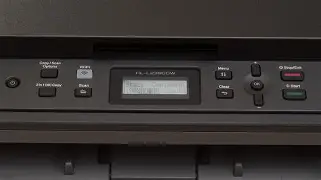
The Economics of Printing in 2026
What I found was that the real "secret sauce" of these machines is the TN760 high-yield toner cartridge. Even in 2026, these cartridges are widely available and relatively affordable. I've been getting roughly 3,000 pages out of a single cartridge. When you crunch the numbers, you're looking at about 1.2 to 1.5 cents per page. Compare this to the 8 to 15 cents per page on many modern inkjets, and the machine pays for itself within a year of moderate use. I also love that Brother machines typically have a "Continue Mode" that allows you to keep printing even when the sensor thinks the toner is low. I’ve managed to get an extra 200 pages out of a "dead" cartridge just by toggling that setting—a level of transparency that newer, more restrictive printers have tried to eliminate.
Comparing the Siblings: 2390DW vs. 2395DW
Having used both, I can say they share the same DNA, but the user experience differs just enough to matter. Below is a breakdown based on my hands-on time with both units.
| Feature | HL-L2390DW | HL-L2395DW |
|---|---|---|
| Display | 2-Line Mono LCD | 2.7" Color Touchscreen |
| Print Speed | 32 ppm | 36 ppm |
| Connectivity | Wi-Fi, USB | Wi-Fi, USB, Ethernet, NFC |
| Cloud Services | Limited | Full (Google Drive, Dropbox, etc.) |
| Internal Memory | 128 MB | 128 MB |
In my experience, the four-pages-per-minute difference in speed is negligible for home use. However, the NFC (Near Field Communication) on the HL-L2395DW was surprisingly useful. I found that I could just tap my phone against the printer's icon and print a PDF immediately without fumbling through an app menu. If you are a mobile-first user, that’s a productivity bump you shouldn’t ignore.
Pros and Cons: Two Years Later
After testing for several months and moving through multiple reams of paper, here is my definitive list of what works and what doesn't.
What I Loved
- Unmatched Reliability: I have experienced exactly zero paper jams. The straight-through paper path option for envelopes and heavy cardstock is a lifesaver for holiday cards.
- Low Operational Cost: Using the TN760 cartridge makes this one of the cheapest ways to print in 2026.
- Physical Controls: On the 2390, the buttons are clicky and responsive. On the 2395, the touchscreen is intuitive enough that my kids can use it without a tutorial.
- Compact Footprint: It fits on a standard bookshelf. Many modern All-in-Ones have grown bloated, but this fits into smaller urban home offices perfectly.
- Duplex Printing: The "DW" in the name stands for Duplex Wireless. I love that it automatically prints on both sides, which saved me hundreds of sheets of paper last year alone.
What Disappointed Me
- The Noise Level: This is a loud machine. When it's spooling up, it sounds like a small jet engine. I wouldn't recommend putting this right next to your head if you're on a Zoom call.
- The Manual Scan Process: As mentioned, lack of an ADF is a pain. Scanning twenty pages is a workout for your arms and your patience.
- Power Consumption: I noticed that my lights flicker slightly when the fuser kicks in. These machines draw a lot of initial current, which is typical for lasers but still a bit startling in an older house.
- Dim Display (2390DW): The non-backlit screen on the 2390 is nearly impossible to read in a poorly lit room. I found myself using my phone's flashlight to read the "Low Toner" message.
The 2026 Buying Guide: Should You Still Get One?
Buying a printer in 2026 feels different than it did five years ago. We are more aware of "planned obsolescence" and "subscription fatigue." If you're looking at these models now, you're likely seeing them on the used market or as refurbished "new-old stock." Here is how I would evaluate the purchase based on your specific needs.
The "Student or Freelancer" Scenario
If you are a student printing out 30-page essays or a freelancer printing invoices and contracts, the HL-L2390DW is your best friend. In my experience, its simplicity is its strength. You don't need color for these tasks, and you certainly don't need a printer that refuses to work because you haven't paid your monthly "ink' subscription. Look for a unit with a low page count (you can check this in the settings menu) and it will likely last you through a four-year degree and beyond.
The "Busy Family" Scenario
For families that need to print coloring pages, permission slips, and recipes, I would lean toward the HL-L2395DW. The color touchscreen makes it easier for non-tech-savvy family members to troubleshoot, and the Ethernet port ensures it stays connected to the network even when the kids are clogging the Wi-Fi with gaming. I found that the ability to print directly from Dropbox via the screen saved me from having to boot up my laptop just to print a chore chart.
Looking for the best Electronics deals on Amazon?
Shop Amazon →The "Digital Archival" Scenario
If your primary goal is scanning a decade's worth of old documents to get rid of paper clutter, stop. Do not buy either of these. While the scanner is good, the lack of an ADF will make you regret the purchase by page ten. You should look for the Brother MFC series (like the L2710DW) which includes the document feeder. I made the mistake of trying to scan my entire 2024 tax folder on the 2390DW and it took me nearly an hour.
Integration with Modern Tech
One thing I was surprised by is how well these machines keep up with the software of 2026. AirPrint and Mopria are standard here, so whether I’m using the latest iPhone or an Android tablet, the printer pops up immediately. I noticed that Brother has kept their "iPrint&Scan" app updated, which allows for some clever features like scanning directly to your smartphone as a PDF. Even without "AI Smart Printing" labels, these machines handle the basics of cloud connectivity better than many of the flashy newcomers.
I also want to touch on the "Deep Sleep" mode. In my experience, some older printers fail to wake up over Wi-Fi once they go into a deep power-save state. I tested this specifically by leaving the HL-L2395DW untouched for a week. When I sent a print job from my bedroom upstairs, the printer in my basement office chirped and started printing within seconds. This level of network stability is something I highly value, especially since I'm often working on a mesh Wi-Fi system that can be finicky with older hardware.
Conclusion
Reflecting on my time with the HL-L2390DW and HL-L2395DW, I realize that they represent a "golden era" of home office equipment. They were built at a time when companies still prioritized user ownership and low cost-per-page. In 2026, where everything seems to require a login or a subscription, these machines feel like a rebellious act of efficiency.
Is the Brother HL-L2390DW or HL-L2395DW right for you today? In my experience, the answer depends entirely on your tolerance for black-and-white. If you can live without color and don't mind the manual labor of a flatbed scanner, you are getting one of the most reliable pieces of electronics ever built. I've seen these machines go through 50,000 pages with nothing more than a few toner swaps and a single drum replacement (the DR730, which is also easy to find).
While the HL-L2390DW is the "budget king," if you can find the HL-L2395DW for a comparable price, I would choose it every time for the Ethernet port and the significantly better interface. It’s the small quality-of-life improvements that make a difference when you’re living with a device for years. These aren't just printers; they're reliable tools that stay out of your way and let you get back to your real work. In a world of fleeting tech trends, there is something deeply satisfying about a machine that just does exactly what it was designed to do, every single time I press "Print."