Should You Upgrade from Dwarflabs Dwarf Iii to Dji Osmo Action 6?
Action-camera buyers and shooters face a recurring question when a new model arrives: is it worth replacing a reliable little camera with a newer, more feature-rich option? This article examines that question for two cameras often discussed together: the Dwarflabs Dwarf Iii and the Dji Osmo Action 6. The goal is practical guidance — not marketing copy — that helps readers decide based on real-world use cases, priorities, and workflow considerations.
Introduction
Both cameras target users who want rugged, compact, and capable video capture for fast-paced activities such as travel vlogging, mountain biking, watersports, and handheld run-and-gun shooting. The Dwarflabs Dwarf Iii is known for being compact and unobtrusive, while the Dji Osmo Action 6 aims to push image quality, stabilization, and user convenience further. Deciding whether to upgrade involves evaluating what matters: image quality, stabilization, battery life, audio, ergonomics, and how each camera fits into a creator’s workflow.
How Buyers Typically Decide
When photographers and creators consider upgrades they usually ask practical questions:
- Will the new camera noticeably improve image quality or low-light performance?
- Does stabilization reduce the need for a gimbal?
- Are battery life and charging improvements meaningful for a typical day shoot?
- Does the accessory and software ecosystem make the new camera easier to use and integrate?
- Is the upgrade cost and learning curve justified by the benefits?
This article evaluates the Dwarflabs Dwarf Iii and the Dji Osmo Action 6 against those buyer concerns and across common real-world scenarios.
Detailed Product Analysis
Dwarflabs Dwarf Iii — What it does well
The Dwarflabs Dwarf Iii is often chosen for its small footprint, lightweight design, and simplicity. It suits users who prioritize stealth and minimalism: cyclists who want a helmet-mounted camera that barely changes balance, travelers who want a pocketable backup camera, or content creators who need an unobtrusive POV perspective. Typical strengths include portability, easy mounting, and a straightforward shooting experience that minimizes menus and settings fiddling.
In practical use, the Dwarf Iii is convenient for long rides where weight and size matter, for quick handheld clips in crowded places, and as a discreet camera for candid footage. It tends to be popular among hobbyists who value an “set-and-forget” device that captures usable footage without demanding a lot of configuration or accessories.
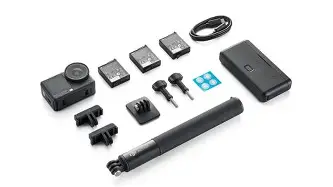
Dji Osmo Action 6 — What it aims to improve
The Dji Osmo Action 6 moves the conversation toward image fidelity, stabilization, and a richer feature set. This camera targets users who want higher-quality footage out of the camera, who will benefit from advanced stabilization for action sports, and who value a smoother content creation workflow — for example, faster file transfer, improved metadata, and more flexible exposure and color controls.
Shop the latest Cameras & Photography picks on Amazon.
Browse Now →In real-world terms, the Osmo Action 6 is designed to reduce post-production work through better in-camera processing, to handle low-light and high-contrast scenes more gracefully, and to offer ergonomics and touchscreen responsiveness that speed up shooting and settings changes. It is also aimed at creators who use multiple cameras and need consistent color science and easy syncing across clips.
Key Areas of Difference — Practical Implications
Rather than listing raw specifications, it helps to look at how differences matter day-to-day:
- Image quality and low-light behavior: If night or indoor shooting is frequent, a camera that yields cleaner footage with better dynamic range reduces noise reduction and grading work. The Osmo Action 6 generally targets improved tonal range and color handling, which translates to richer highlights and more recoverable shadow detail.
- Stabilization: For high-vibration sports (mountain biking, off-road motorcycling), superior stabilization means fewer unusable clips and less reliance on expensive gimbals. Better stabilization also helps for handheld run-and-gun shots.
- Battery and workflow: Longer battery life and faster charging matter for day-long shoots and remote locations. File transfer speed, companion app reliability, and how easily footage integrates into an NLE are part of the workflow equation.
- Audio: Built-in microphones have limits; however, improvements in onboard audio capture and wind reduction can save time and reduce the need for external mics in casual vlogging scenarios.
- Durability and mounting: Waterproofing, build quality, and the availability of robust mounts determine whether a camera can become a trusted tool in rough environments.
Pros & Cons
Dwarflabs Dwarf Iii
- Pros:
- Extremely compact and lightweight — unobtrusive when mounted.
- Simple controls and quick setup for casual shooters.
- Good value for users who need a small POV camera or backup device.
- Typically quieter heat and simpler thermal behavior in short bursts.
- Cons:
- Smaller sensor and simpler ISP may limit low-light performance and dynamic range.
- Less advanced stabilization compared with higher-end action cams.
- More limited feature set and fewer color/profile options for grading.
- Smaller accessory ecosystem may require adapters for some mounts and audio solutions.
Dji Osmo Action 6
- Pros:
- More capable image processing and likely improved dynamic range for varied lighting.
- Advanced stabilization that reduces the need for external gimbals in many scenarios.
- Richer feature set: manual controls, color profiles, and convenient shooting modes.
- Better ergonomics and software ecosystem for creators who shoot frequently.
- Cons:
- Larger size and weight compared with ultra-compact options like the Dwarf Iii.
- Higher price point — the upgrade cost may be significant for casual shooters.
- More features mean a longer learning curve for users who prefer simplicity.
- Potential for increased heat generation under sustained high-res recording.
Comparison Table
| Category | Dwarflabs Dwarf Iii | Dji Osmo Action 6 |
|---|---|---|
| Target user | Minimalist users, helmet/POV shooters, travelers wanting compact backup | Creators wanting higher image quality, better stabilization, and richer features |
| Image quality | Good for daylight and well-lit conditions; limited dynamic range | Stronger performance in mixed lighting; more flexible color handling |
| Stabilization | Basic to moderate stabilization suitable for light movement | Advanced stabilization aimed at high-motion sports and handheld use |
| Battery & thermal | Simple battery strategy; suitable for shorter sessions | Designed for longer practical runtimes and faster charging options |
| Audio | Acceptable for casual vlogging; may need external mic for interviews | Improved onboard audio and wind handling; external mic support for pro use |
| Ergonomics | Ultra-compact, light, unobtrusive | Larger footprint but more user-friendly controls and screens |
| Accessories & ecosystem | Smaller ecosystem; adapters sometimes required | Broader accessory availability and better app/software integration |
| Value | High value for minimalists and budget-minded hobbyists | Higher up-front cost but more capability for frequent creators |
Real-World Use Cases
Travel Vlogging
For travel vlogging, portability and battery life matter. The Dwarflabs Dwarf Iii excels when packing light and capturing quick POV clips without drawing attention. The Dji Osmo Action 6, however, will produce cleaner handheld footage, especially in dim interiors or at dusk, and its improved stabilization reduces shaky clips while walking. If cinematic transitions and higher-quality B-roll are a priority, the Osmo Action 6 is the stronger choice.
Action Sports
For mountain biking, skiing, or motorcycling, stabilization and robustness are the primary concerns. The Osmo Action 6’s advanced stabilization and durable build make it more suitable for aggressive sports where the camera faces sustained vibration. The Dwarf Iii can still be a great helmet cam where minimal weight matters and the activity doesn’t produce extreme jolts.
Underwater & Pool Use
Both cameras are used for watersports when adequately protected or rated. Practical considerations include how the camera mounts to boards or suits, how easy it is to swap batteries, and how well the mic and ports survive repeated wet use. For casual snorkeling, the Dwarf Iii’s simplicity may be enough. For extended dives or frequent water use, the Osmo Action 6’s feature set and accessory options give it an edge for professional-looking footage.
Everyday Family & Run-and-Gun
In everyday family moments and quick event coverage, ease-of-use and audio matter. The Dwarf Iii captures candid moments without fuss. The Osmo Action 6 captures better-looking footage and cleaner audio in mixed environments, which reduces time spent fixing footage in post.
Discover deals on Cameras & Photography — updated daily.
Shop Amazon →Buying Guide — Who Should Upgrade?
Consider the following decision criteria when evaluating an upgrade:
- Priority on image quality: Upgrade if low-light performance, dynamic range, and more flexible color grading options are important. The Osmo Action 6 targets those improvements.
- Need for superior stabilization: Upgrade if current footage suffers from excessive shake and a gimbal is not desirable due to cost or weight.
- Workflow and time savings: Upgrade if faster editing, improved in-camera processing, and better app integration will reduce the time spent in post.
- Portability vs capability: Keep the Dwarf Iii if minimal size and weight are non-negotiable. The Osmo Action 6 trades some pocketability for capability.
- Budget constraints: Upgrading makes sense only if the benefits justify the expense. For casual users, the Dwarf Iii often remains sufficient.
- Accessory needs: Upgrade if a richer accessory ecosystem (external microphones, rugged housings, filters) is needed for the kinds of shoots typically done.
- Longevity and support: Consider firmware update cadence and software support. A camera with a healthy update cycle will improve over time and potentially extend the value of the purchase.
Practical Tips Before Upgrading
- Test the Osmo Action 6 in the specific lighting and motion scenarios that are most common — footage that looks better in one environment may be similar in another.
- Evaluate battery strategy: if the current kit uses many hot-swappable batteries, ensure any new camera’s battery plan fits the same workflow.
- Check the mounting and case compatibility: sometimes existing mounts can be re-used with adapters, but not always.
- Factor in accessory costs: the total cost of ownership includes extra batteries, cases, filters, and optional audio solutions.
- Consider keeping the Dwarf Iii as a secondary camera: even when upgrading, the compact Dwarf Iii can be useful for POV or backup shots.
Workflow Considerations and Post-Production
Upgrading affects more than just capture; it affects editing and delivery. Cameras that produce cleaner files reduce noise reduction time and grading complexity. Color profiles and log modes offer more latitude for grading but require knowledge and storage capacity. The Osmo Action 6’s richer output and possible support for more advanced codecs can increase file sizes, so plan for storage and transfer speed. Conversely, the Dwarf Iii’s simpler codecs may be easier on smaller editing machines and faster for social uploads.
Final Thoughts and Conclusion
There is no single correct answer. The Dwarflabs Dwarf Iii remains an excellent choice for minimalists, for users who value weight and pocketability, and for hobbyists who share casual clips online without extensive post-production. The Dji Osmo Action 6 is a meaningful upgrade for creators who need better image quality in mixed lighting, advanced stabilization for aggressive sports, and the convenience of a broader software and accessory ecosystem.
Upgrade to the Dji Osmo Action 6 if improved image fidelity, stabilization, and workflow benefits will be used regularly — in short, when those features will pay back the cost through better final results or reduced editing time. Keep or retain the Dwarflabs Dwarf Iii if compactness, discretion, and simplicity are most important, or consider keeping it as a lightweight secondary camera after upgrading.

Ultimately, the best decision balances how the camera will be used in the real world: the kinds of scenes shot, the importance of stabilised, high-quality footage, and how much time and money a user wants to invest in accessories and post-production. For many creators, a thoughtful combination — using the Dwarf Iii for POVs and the Osmo Action 6 for primary capture — offers the most flexible, practical setup.